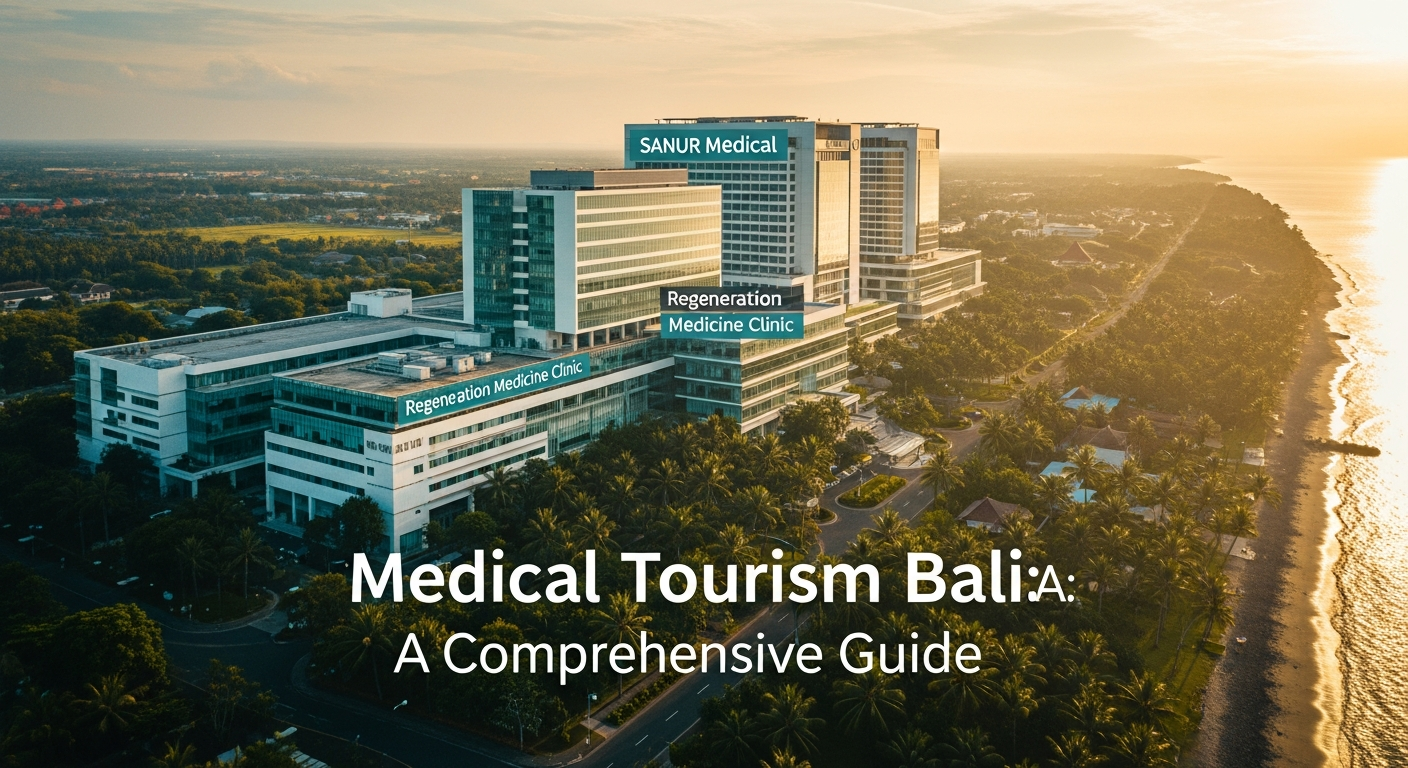
Welcome to our curated guide on medical tourism bali — the definitive resource for premium options across Indonesia.
- Access JCI-accredited hospitals and specialist clinics.
- Benefit from competitive pricing, typically 30-70% less than Western nations.
- Recover in serene settings from Ubud’s tranquility to Seminyak’s luxury.
A balmy breeze carries the scent of frangipani. Sun filters through palm fronds, illuminating a path to top-tier medical care. Here, precision surgery meets exceptional recovery, transforming a health journey into a restorative escape.
The Bali Medical Tourism Landscape: A Strategic Overview
Bali, an island synonymous with wellness, now firmly establishes itself as a premier destination for medical tourism. The strategic development of the Sanur Special Economic Zone (SEZ) marks a pivotal shift, positioning Bali at the forefront of health and medical innovation in Southeast Asia. This zone, operational since 2022, represents a significant government investment, attracting international hospitals and specialists. Its infrastructure includes the Bali International Hospital, a collaboration with Mayo Clinic, ensuring services meet stringent global benchmarks. Patients arriving at Ngurah Rai International Airport (DPS) find Sanur just a 25-minute drive eastward, offering convenient access to advanced medical facilities. The Indonesian Ministry of Health actively oversees regulations, ensuring all medical establishments adhere to national and international standards, including KARS (Komite Akreditasi Rumah Sakit) and Joint Commission International (JCI) certifications for top-tier hospitals. For instance, BIMC Hospital in Kuta holds JCI accreditation, its commitment to patient safety and quality of care. This robust regulatory framework provides assurance for international visitors seeking treatments from Australia, Singapore, the USA, and Europe. The island’s commitment extends beyond facilities; it encompasses a comprehensive ecosystem designed for both treatment and recovery, with dedicated medical concierges streamlining the patient experience. The average cost for a typical dental implant procedure here runs approximately 60% less than in Sydney, making Bali an economically compelling choice without compromising quality. The growth trajectory for medical tourism in Bali projects a 15% increase in patient arrivals year-on-year, driven by both cost-effectiveness and service excellence.
Specialized Treatments: Dental, Cosmetic, & Reproductive Health Expertise
Bali’s medical tourism excels in specific high-demand specialties, drawing patients globally for its combination of expert care and advanced technology. Dental procedures remain a cornerstone, with clinics offering everything from routine cleanings to complex full-mouth reconstructions. Popular options include porcelain veneers, dental implants, and orthodontics, with costs for a single implant averaging IDR 15,000,000 (approximately USD 950), significantly lower than international benchmarks. Clinics like ARC Dental Clinic in Kuta utilize 3D imaging and CAD/CAM technology, ensuring precision and reducing treatment times. Cosmetic surgery also sees robust demand, encompassing procedures such as breast augmentation, rhinoplasty, and liposuction. Surgeons in Seminyak’s private clinics, often trained in Australia or Europe, perform these procedures with a focus on natural-looking results. A standard breast augmentation procedure, for example, costs around IDR 55,000,000 (approximately USD 3,500), representing a 50% saving compared to similar procedures in the United States. Furthermore, reproductive health services, particularly In Vitro Fertilization (IVF), have seen a surge in interest. IVF clinics in Denpasar and Sanur provide comprehensive fertility treatments, including egg freezing and genetic screening, boasting success rates comparable to leading clinics worldwide. Clinics often provide all-inclusive packages for IVF cycles, starting from IDR 80,000,000 (approximately USD 5,100), offering a viable and more affordable alternative for couples from Europe and Singapore. These clinics adhere to strict ethical guidelines and employ embryologists with international certifications. The average waiting time for an initial consultation across these specialties is typically less than one week, a stark contrast to the months-long waits often experienced in public health systems abroad.
Advanced Medical Interventions: Regenerative, Cardiology, & Orthopedics
Beyond cosmetic and dental care, Bali develops its capabilities in more complex medical fields, positioning itself for advanced interventions. Regenerative medicine, a cutting-edge specialty, includes stem cell therapies for conditions ranging from orthopedic injuries to anti-aging protocols. Clinics in Ubud, known for their holistic approach, often integrate these therapies into broader wellness programs. While regulatory frameworks for stem cell treatments are stringent, licensed facilities operate under strict government oversight, ensuring patient safety and efficacy. For cardiology, modern hospitals in Denpasar offer diagnostic services, interventional cardiology (like angioplasty and stenting), and cardiac rehabilitation. Facilities are equipped with state-of-the-art cath labs and intensive care units, staffed by cardiologists with international affiliations. Patients from Singapore and Australia seeking elective cardiac procedures find a compelling option here, with costs for a coronary angiography often around IDR 25,000,000 (approximately USD 1,600). Orthopedic surgery, including joint replacements (hip and knee) and spinal procedures, represents another area of growth. Surgeons utilize minimally invasive techniques where appropriate, accelerating recovery times. A total knee replacement, for example, averages IDR 85,000,000 (approximately USD 5,400), offering substantial savings over Western prices. The Sanur SEZ specifically targets the expansion of these advanced specialties, with plans for a dedicated cardiovascular center and an orthopedic rehabilitation hospital by 2025. These developments aim to attract highly specialized medical professionals and integrate the latest medical technologies, solidifying Bali’s reputation as a comprehensive medical destination. Hospitals like Siloam Hospitals Denpasar are expanding their capacity in these areas, supported by affiliations with international medical groups.
Navigating Your Journey: Certifications, Safety, and Clinic Selection
Choosing the right medical facility in Bali requires a clear understanding of certifications and safety protocols. The primary international accreditation to look for is Joint Commission International (JCI), a global benchmark for patient safety and quality. Several hospitals in Bali, including facilities within the Sanur SEZ, either hold or are actively pursuing JCI accreditation. Domestically, KARS accreditation ensures adherence to Indonesian national healthcare standards. Patients should verify these certifications directly with the clinic or hospital. Doctor qualifications are equally crucial; many specialists practicing in Bali have received training in Australia, Europe, or the United States, often holding memberships in international medical associations. Ask for their credentials and experience in your specific procedure. For instance, a reputable cosmetic surgeon will have completed at least 10 years of medical education and specialized training. Patient safety protocols include rigorous sterilization techniques, pre-operative assessments, and post-operative care plans. Communication is vital, and clinics often provide multilingual staff or professional medical interpreters, particularly for English, Mandarin, and Japanese speakers. When comparing clinics, consider transparent pricing structures, comprehensive aftercare packages, and patient testimonials. Online reviews on independent platforms provide valuable insights. A comprehensive consultation, often available virtually prior to travel, allows patients to discuss their medical history, understand the procedure, and clarify all associated costs. A consultation fee typically ranges from IDR 500,000 to IDR 1,500,000 (approximately USD 30-95), which is often deductible from the final procedure cost. The website Wikipedia’s entry on Healthcare in Indonesia provides further context on the national healthcare system.
Beyond the Clinic: Bali’s Wellness Ecosystem and Recovery Environments
Bali’s appeal as a medical tourism destination extends significantly beyond its clinics; the island itself acts as a powerful recovery environment. The strategic choice of location for post-procedure recuperation can enhance healing and overall well-being. Ubud, situated approximately 35 kilometers north of Denpasar, offers a tranquil, verdant landscape ideal for quiet recovery. Here, luxury villas with private pools and personalized catering services provide a serene backdrop for rest. Complementary therapies such as traditional Balinese massage, yoga, and meditation are readily available, integrating seamlessly into a holistic recovery plan. These wellness practices, deeply rooted in Balinese culture, contribute to stress reduction and physical rehabilitation. In contrast, Seminyak, a vibrant coastal area about 10 kilometers west of Denpasar, caters to those who prefer a more sophisticated, yet equally relaxing, recovery with access to high-end resorts, gourmet dining, and boutique shopping. Luxury private villas in Seminyak often include dedicated nursing support or on-call medical assistance, ensuring peace of mind during recovery. Sanur, with its calm beaches and established infrastructure, offers a balanced environment, particularly convenient for patients undergoing procedures within the Sanur SEZ. The average daily cost for a luxury recovery villa in Ubud or Seminyak ranges from IDR 3,000,000 to IDR 10,000,000 (approximately USD 190-640), depending on amenities and duration. This environment significantly reduces the psychological stress often associated with medical procedures, promoting faster and more comfortable healing. For more on Bali’s cultural richness, consult UNESCO’s page on the Cultural Landscape of Bali.
Logistics & Financials: Cost Comparisons, Insurance, and Travel
Understanding the financial and logistical aspects of medical tourism in Bali is crucial for international patients. Cost comparisons consistently show Bali as a highly competitive option. For example, a dental crown in Bali costs approximately IDR 4,000,000 (USD 250), whereas in Australia, it can exceed AUD 1,500 (USD 1,000). Similarly, a full tummy tuck procedure in Bali might cost around IDR 70,000,000 (USD 4,500), compared to upwards of USD 10,000 in the USA. While most medical tourists pay out-of-pocket, some international health insurance providers may cover elective procedures performed abroad. It is imperative to consult your insurance company directly regarding their specific policies for overseas medical treatment. Many clinics offer package deals that include consultations, procedures, accommodation, and sometimes even airport transfers, simplifying the financial planning. Visa requirements vary by nationality; citizens from over 90 countries, including Australia, the USA, and EU nations, are eligible for a Visa-on-Arrival (VoA) for stays up to 30 days, extendable once. For longer stays or specific medical visas, patients should apply in advance through the Indonesian embassy or consulate in their home country. Direct flights to Denpasar (DPS) are available from major hubs like Singapore (2.5 hours), Sydney (6 hours), and Dubai (9 hours), making travel accessible. The airport itself is located just 13 kilometers south of Denpasar city center, ensuring short transfer times to most medical facilities and recovery accommodations. Patients should budget for flights, accommodation, local transportation, and incidental expenses, typically adding 15-20% to the procedure cost. For official travel information, Indonesia.travel’s Bali guide provides comprehensive details.
Discover the definitive guide to medical excellence and serene recovery at Medical Tourism Bali. Explore specialized treatments, learn about accredited facilities, and plan your comprehensive health journey with confidence. Your path to well-being begins here.